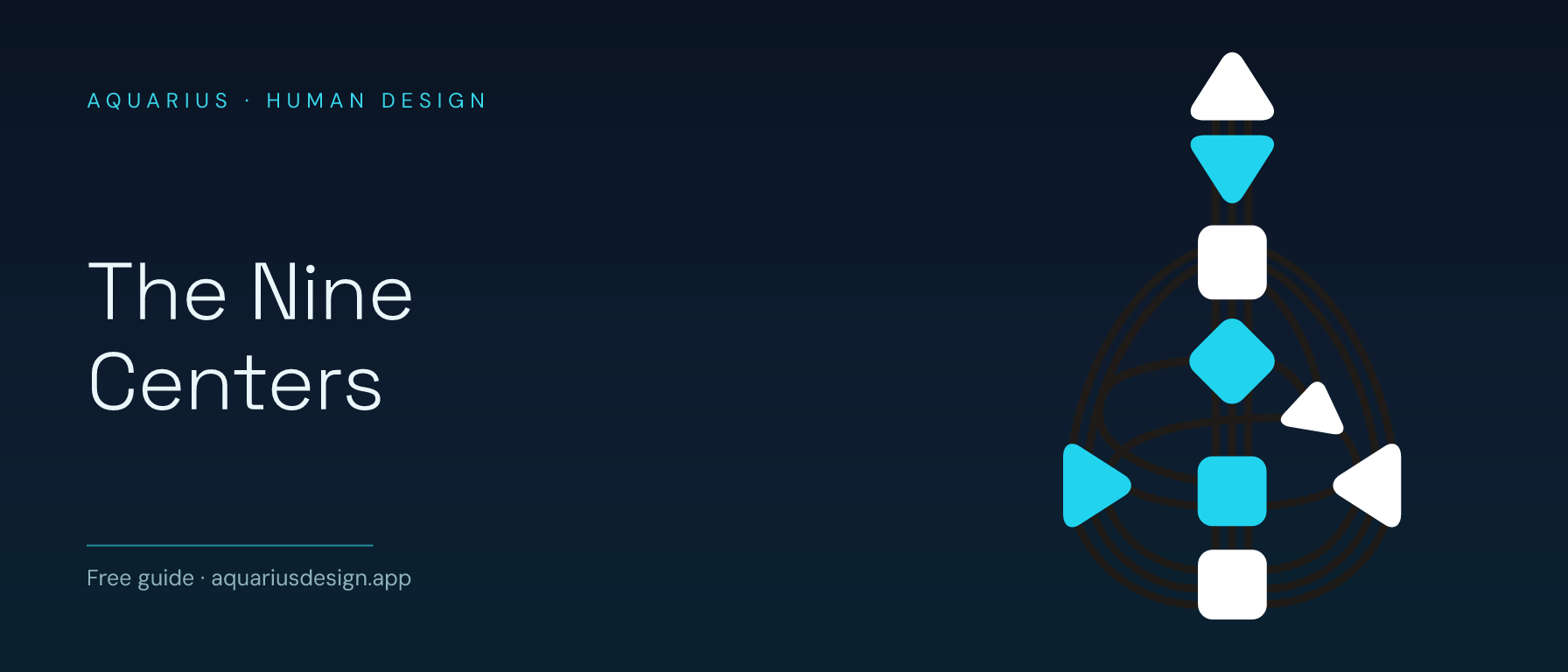
You know your type. You have read the summary, nodded along, and then done what everyone does next: stared at the diagram itself. Nine geometric shapes, four or five of them colored in, the rest white, and nothing on the page explains why that should matter.
The nine shapes are called centers, and each one runs a specific function: thinking, communicating, deciding, working, feeling. Colored means defined. Defined means reliable. This guide walks through all nine, top to bottom, and tells you what each one does when it is colored in on your own chart.
What "defined" means
Every center on the bodygraph is either colored in or white. A colored center is defined: that function runs consistently in you, the same whether the room is full or empty. It is fixed wiring. You do not have to summon it, maintain it, or borrow it from anyone. You also broadcast it. People around you feel a defined center working, whether or not anyone can name it.
A white center is open. It takes in and amplifies whatever the room is running. That is a whole subject of its own, and it gets its own guide next. Today is about the colored parts: the machinery you can count on.
One orientation note before the list. The centers are not equals. Two of them generate pressure, four are motors that generate energy, three produce awareness, and one, the Throat, is where everything tries to get out. If you want the full walkthrough of how the diagram fits together, read how to read your bodygraph first, then come back here with your chart open. If you do not have a chart yet, that takes ten seconds: see your defined centers explained.
The nine centers, top to bottom
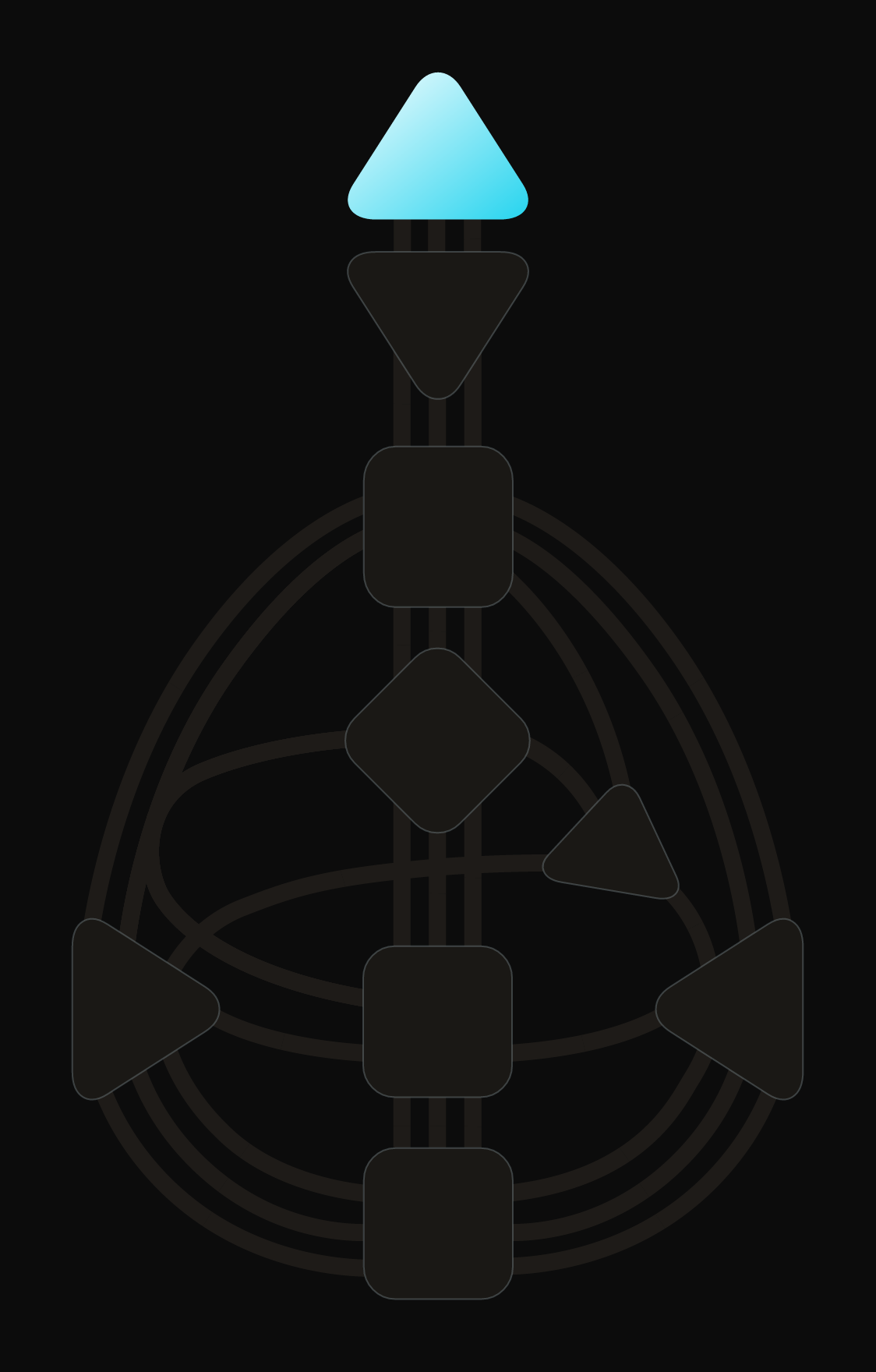
Head: the pressure to think
The Head does not think. It generates the pressure to think: the questions, the doubt, the drive to understand. The actual processing happens one floor down.
Defined, in roughly 30 percent of people, the Head carries a consistent internal pressure toward certain kinds of questions. The same themes keep returning, on their own schedule, and they are genuinely yours. Other people tend to orient around your questions; a defined Head is a source of inspiration and mental direction for the room.
Everyday version: you are back in the shower turning over the same question you were chewing on last month, not because anyone assigned it to you, but because that is the question your system keeps generating. That returning pressure is the defined Head doing its one job.
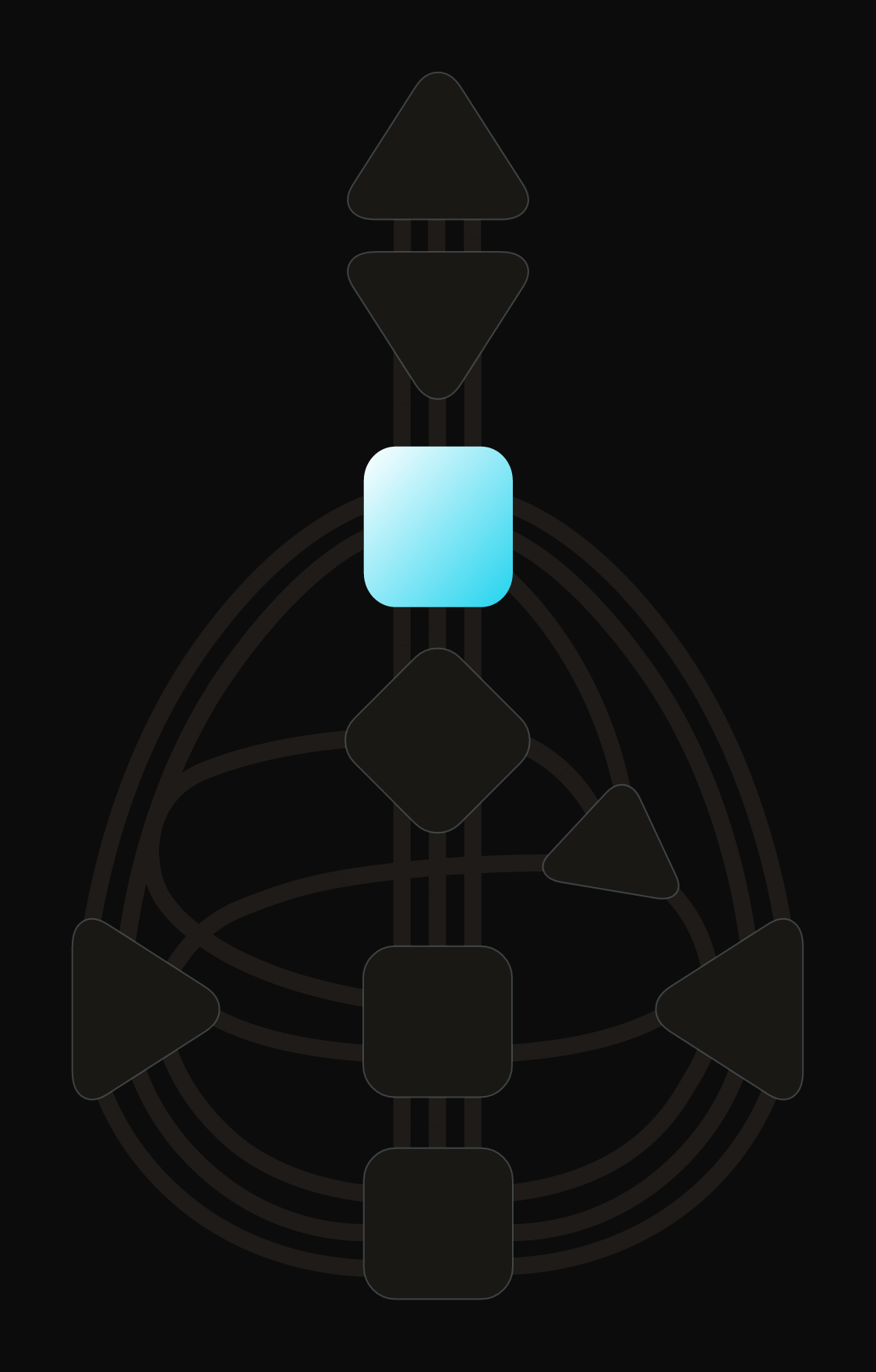
Ajna: the way you think
The Ajna takes the Head's pressure and processes it into concepts, opinions, and analysis. It is mental awareness: the part that turns "why?" into an actual answer.
Defined, in about 47 percent of people, the Ajna gives you a characteristic way of thinking. Your mental frameworks are stable. Your opinions form and hold. Colleagues learn they can count on your perspective being there, and being recognizably yours, in any meeting. The work is staying willing to update a framework without feeling destabilized, because fixed can drift into rigid.
One principle the library is blunt about: the Ajna is never your decision-maker, defined or not. Its job is to process and communicate. Decisions belong to your Authority. A defined Ajna that stops trying to run your life becomes exactly what it was built to be: a powerful, reliable tool.
Throat: the voice that stays yours
The Throat is the most complex center on the chart, with eleven gates, and everything in the bodygraph ultimately seeks expression through it. It manifests in two forms: speech, and action when a motor connects to it directly.
Defined, the Throat gives you consistent, reliable communication. The voice is characteristic. People hear the same quality, style, and substance from you across noticeably different contexts. This does not mean you talk a lot. It means that when you speak, the expression is genuinely yours.
Everyday version: you sound like yourself in the job interview, at the family dinner, and in the difficult feedback conversation. Same voice, three rooms. People who live with an open Throat will tell you that is not a given.
G Center: identity and direction
The G Center, the diamond in the middle, is the center of the Self. It carries identity, love, and direction: who you are, what you attract, where you are headed.
Defined, in about 57 percent of people, the G gives you a stable, reliable sense of self. Not necessarily a conscious life plan, more an underlying orientation that does not wobble when circumstances do. You are a fixed point other people can find grounding in.
Everyday version: new city, new job, new relationship, and you are still recognizably you. Friends from different decades of your life describe the same person. That steadiness is not a personality achievement. It is a defined G doing what it does.
Heart (Will): commitment and worth
The Heart, also called the Ego, is the smallest motor on the chart: four gates governing willpower, work, promises, and self-worth.
Defined, in about 35 percent of people, the Heart gives you consistent will force. When you say "I will have it done," and your will genuinely endorsed the promise, it gets done. You also carry a stable relationship with your own worth, without needing to keep proving it.
One mechanic matters here: the defined Heart works in cycles. Effort, then genuine rest. It cannot sustain continuous output, and a defined Heart that never rests breaks down. The will force is real. It is not unlimited. If your week has a big push in it, the rest afterward is part of the machinery, not a reward.
Spleen: the body's compass
The Spleen is the oldest awareness center, and it lives entirely in the present moment. Instinct, intuition, taste: the immediate read on whether something is healthy for you. It also governs the immune system and physical well-being.
Defined, in about half of people, the Spleen is a reliable moment-to-moment body compass. Your first read on a person, a room, or a situation tends to be accurate, and it arrives before you can explain it.
The critical mechanic: the splenic signal comes once, quietly, and does not repeat. There is no wave to ride, no gut to re-check. One signal, one moment, and if you talk yourself past it, it is gone. Everyday version: the split-second flicker of "no" about the deal that looked great on paper. You either caught it or you spent three months finding out it was right.
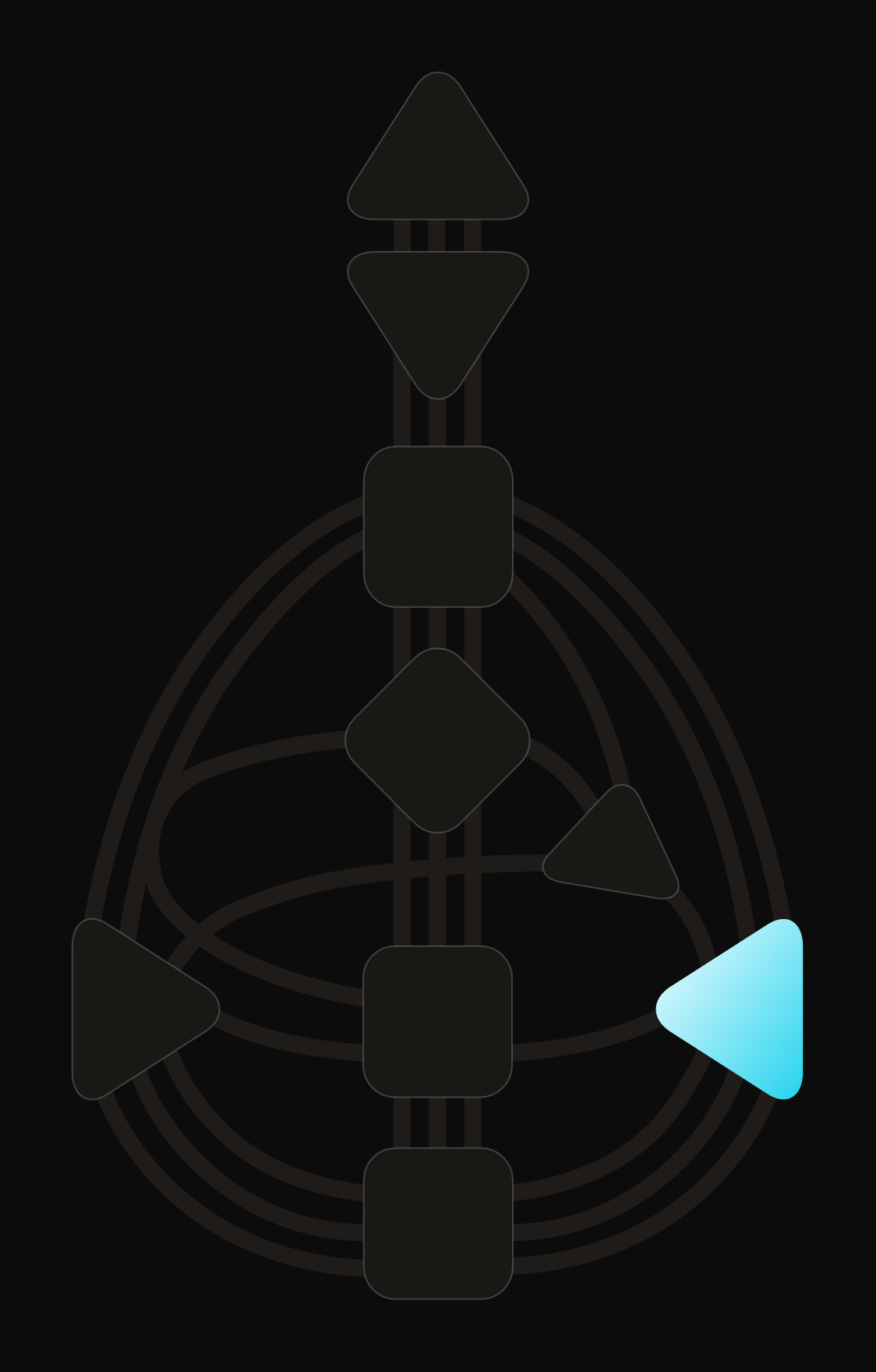
Solar Plexus: the emotional wave
The Solar Plexus is both a motor and an awareness center. It runs the emotional wave: a continuous movement between hope and pain that never fully stops. When it is defined, in about half of humanity, it is always the Inner Authority. No exceptions.
Defined means the wave is yours, and it colors every perception. At the peak, the new job offer feels like destiny. At the trough, the same offer feels like a trap. Both readings are partial, which is why there is no truth in the now for an emotional being. Clarity comes from time: sample the decision at a high, a midpoint, and a low, and look for what stays consistent. Certainty never arrives, and waiting for it is the trap.
Everyday version: excited one hour, doubtful the next, and the honest answer to "so are you taking it?" is "give me a few days." That is not indecision. That is the mechanics working.
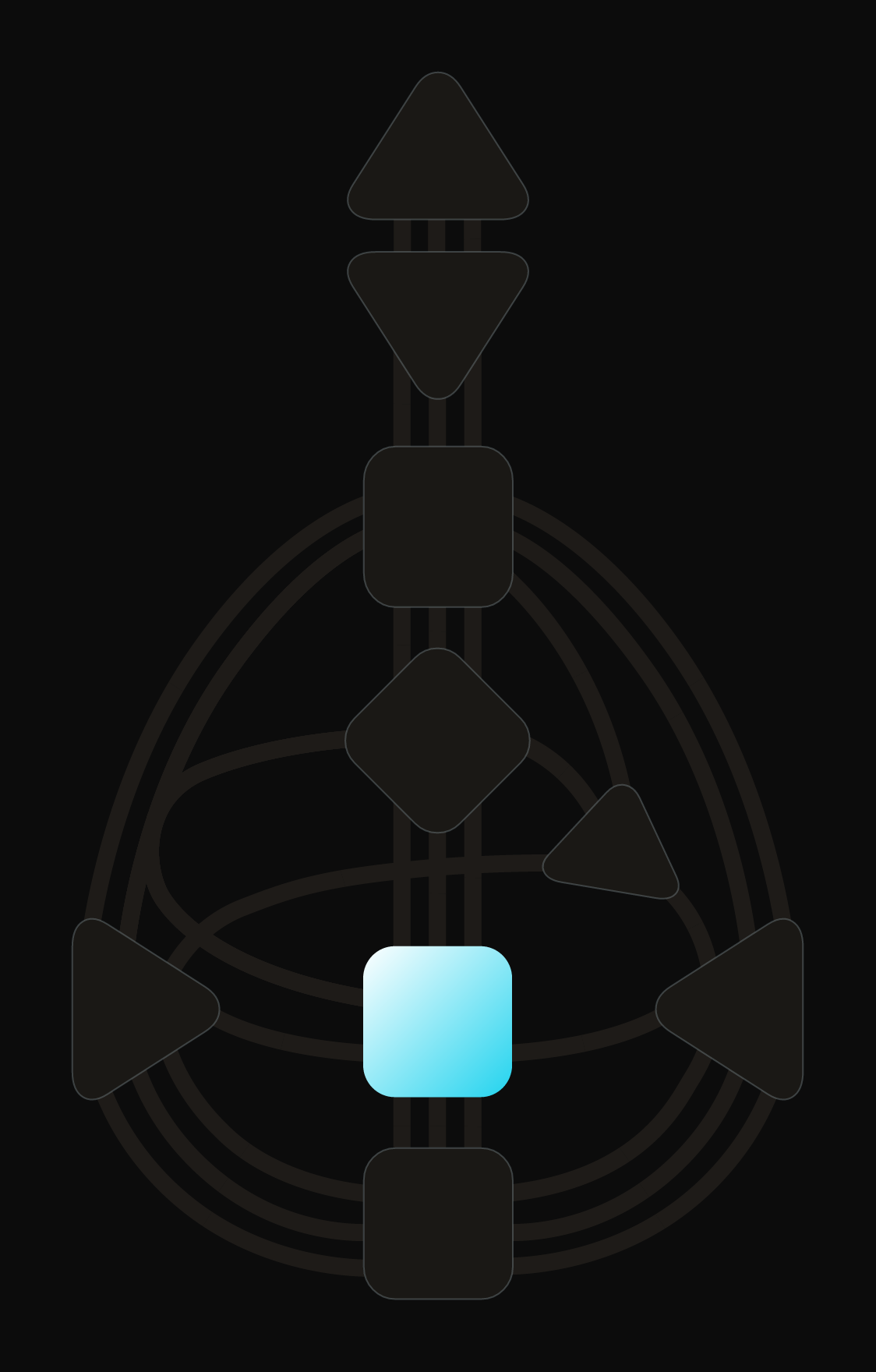
Sacral: the engine that responds
The Sacral is the dominant motor on the planet, defined in roughly 65 to 70 percent of people: every Generator and Manifesting Generator. It generates the sustained life force that does the world's work, and it has one defining characteristic. It responds. It does not initiate, it does not plan, it reacts to what is in front of it with a binary gut signal: a rising yes or a contracting no, often as a sound before words arrive.
Defined means that signal is trustworthy and the energy behind it is enormous, but only for the right things. Work your Sacral said yes to energizes you. Work it never agreed to depletes you, sometimes within hours.
Everyday version: someone asks "want to take this on?" and the "mm-hmm" is out of your mouth before your mind has opened the calendar. The type-specific guide covers what to do with that signal; the short version is: trust it more than your reasoning.
Root: pressure as fuel
The Root sits at the bottom of the chart, and it is both a pressure center and a motor. It generates adrenal pressure, the drive to act, to resolve, to become, and the fuel to move on it. It presses upward, feeding the Sacral, the Solar Plexus, and the Spleen.
Defined, in about 58 percent of people, the Root gives you a consistent, familiar level of pressure. Stress is your fuel, not your emergency. During crunch week you are the calm one, and people who find pressure destabilizing tend to steady themselves near you.
The work for a defined Root is honest monitoring: is this pressure correct fuel, or accumulated strain wearing a fuel costume? The center is reliable. Your read on it still has to stay awake.
Defined is half the story
Count your colored centers. That set is your fixed machinery: the functions that run the same way in every room, all week, for life. It is also what you radiate. Your defined centers are what other people are absorbing from you in every meeting you sit in.
The white centers are the other half, and in daily life they are often the louder half. They take in the room, amplify it, and hand it to you labeled as your own. Most of what Human Design calls the not-self runs through them. That is the next guide: open and undefined centers, and why your most familiar struggles probably live there.
For today, the practical move is simpler. Open your chart, find your defined centers, and read what each one does in plain language. The Aquarius Design app puts a content panel on every part of the chart, so you can tap a center and get the explanation without a glossary detour. See your defined centers explained, free, in about ten seconds. Then test one of them against your actual week: catch the Sacral sound, notice the wave, watch the pressure. The chart is a map. Maps get tested.
Practical takeaway
When a strength or a struggle shows up in the same shape week after week, the practice is to check whether it traces back to a defined center. A defined center runs the same whether the room is full or empty, so a pattern that holds steady regardless of company is fixed machinery, not a mood to manage.
Frequently asked questions
What is a defined center in Human Design?
A defined center is one that appears colored in on your bodygraph. It means that center's function, whether thinking, communicating, willpower, emotion, or life force, operates consistently in you. It is fixed, reliable, and part of who you are, and you broadcast its energy to the people around you. White centers work the opposite way: they take in and amplify what others are running.
How many centers can be defined?
Anywhere from none to all nine. Reflectors have zero defined centers, which is exactly what makes them the rare mirror type, sampling the rooms they move through. Most people have a handful defined and the rest open. More defined is not better, and fewer is not worse. Defined centers are consistency; open centers are where flexibility and, over time, wisdom develop. The mix is just your specific build.
What does a defined Sacral mean?
A defined Sacral means you are a Generator or a Manifesting Generator, and you carry sustained, renewable life force energy. It communicates through an instant gut-level yes or no, often a sound before words. The energy is enormous but selective: work you genuinely responded to energizes you, while work you were talked into depletes you fast. The practical skill is rebuilding trust in that gut signal before your mind overrides it.
Can centers change over time?
Your natal chart does not change. The centers defined at your birth stay defined for life, which is exactly why they are reliable. What does change is your moment-to-moment experience: when you are in another person's aura, their defined centers can temporarily light up your open ones, so you feel their consistency as if it were yours. That is borrowed weather, not a new climate. The map underneath stays the same.
Previous in the series: How to Read Your Bodygraph. Next: Open and Undefined Centers.